
How to Choose the Right Garage Door for Your Colorado Home
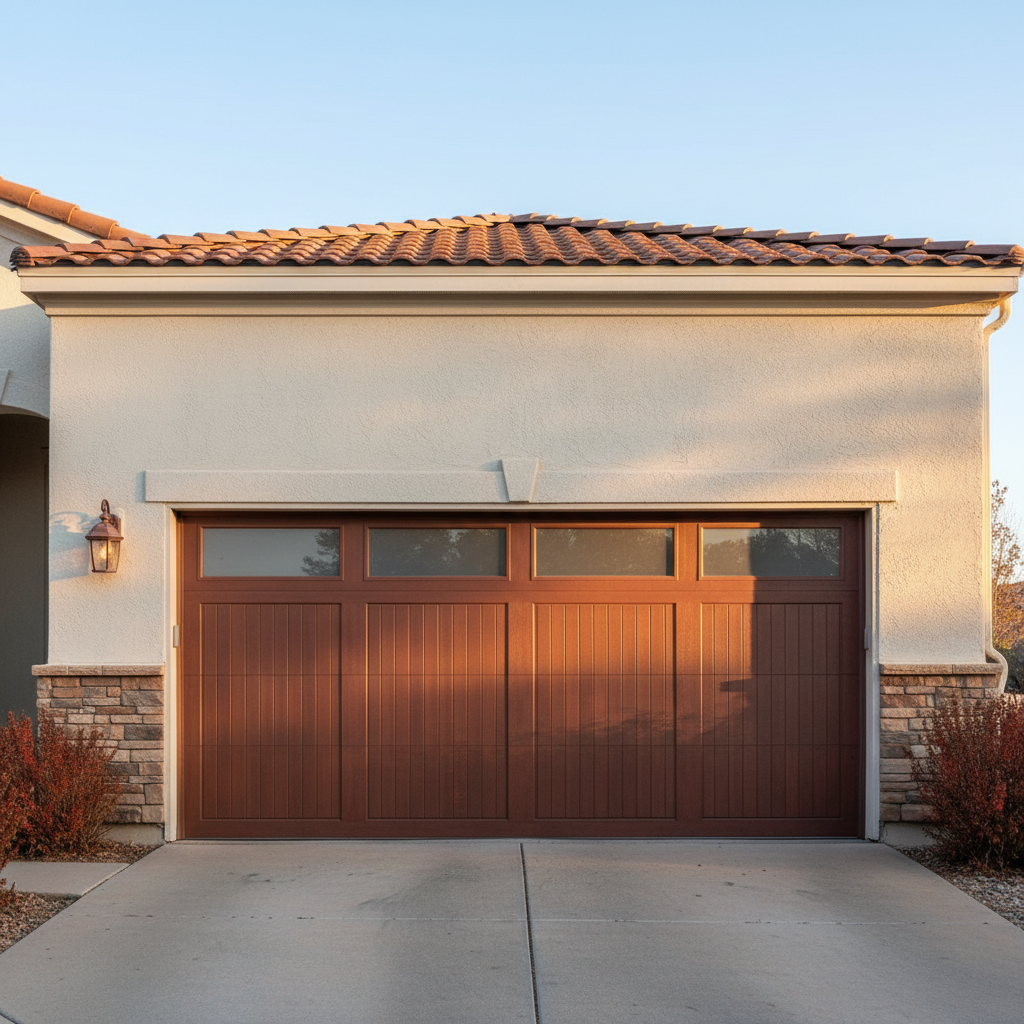
A new garage door is one of the best investments you can make in your home. It’s the largest moving piece of your house, often accounts for up to 30% of your home’s front-facing exterior, and has a direct impact on curb appeal, energy efficiency, and security. But choosing the right door for a Colorado home comes with some unique considerations. Here’s what you need to know.
Material Options: What Works Best on the Front Range
Not all garage door materials perform equally in Colorado’s demanding climate. Here’s a breakdown of your main options:
Steel
Steel is the most popular garage door material in Colorado, and for good reason. It’s durable, low-maintenance, and available in a wide range of styles and price points. Modern steel doors can be stamped and finished to mimic the look of wood grain without the upkeep. They resist denting and warping, hold up well against hail (a real concern along the Front Range), and are available with multiple insulation levels.
Wood
Wood garage doors offer unmatched natural beauty and a warm, traditional look that works particularly well with craftsman and mountain-style homes common in Boulder, Golden, and the foothills communities. However, wood requires significantly more maintenance in Colorado. Our dry air, intense UV exposure, and freeze-thaw cycles can cause cracking, warping, and fading. If you choose wood, plan on staining or painting every two to three years.
Aluminum
Aluminum doors are lightweight, rust-resistant, and work well in contemporary and modern home designs. They’re a popular choice for homes with a more urban or minimalist aesthetic. Full-view aluminum doors with glass panels allow natural light into the garage and look stunning. The downside is that aluminum dents more easily than steel, and glass panels offer less insulation unless you upgrade to insulated or tempered glass options.
Composite (Faux Wood)
Composite doors give you the look of real wood with the durability and low maintenance of engineered materials. They resist cracking, rotting, and warping far better than natural wood in Colorado’s climate. Composite is a great middle-ground choice for homeowners who want a premium appearance without the ongoing upkeep that real wood demands.
Insulation: A Must-Have for Colorado Homes
If there’s one thing we consistently recommend to Colorado homeowners, it’s investing in an insulated garage door. Here’s why:
Colorado’s temperature swings are dramatic. It’s not uncommon to see 60-degree temperature differences between a summer afternoon and a winter night. If your garage is attached to your home — and most are — an uninsulated garage door acts like a giant hole in your home’s thermal envelope.
An insulated door keeps your garage 10 to 20 degrees warmer in winter and noticeably cooler in summer. This protects items stored in your garage, reduces strain on your home’s HVAC system, and can lower your energy bills.
Understanding R-Value
R-value measures a material’s resistance to heat flow. The higher the R-value, the better the insulation. Here’s a general guide:
- R-6 to R-9: Basic insulation. Suitable for detached garages or mild climates, but not ideal for Colorado’s winters.
- R-12 to R-16: Good insulation. A solid choice for most Colorado homes with attached garages. Provides meaningful energy savings and temperature regulation.
- R-18 and above: Premium insulation. Best for homeowners who use their garage as a workshop, gym, or living space, or for homes at higher elevations where temperatures drop further.
For most Front Range homes, we recommend an R-value of at least R-12. If you’re in the foothills or mountain communities, consider R-16 or higher.
Styles That Work With Colorado Architecture
The Front Range features a mix of architectural styles, from mid-century ranch homes in Arvada and Lakewood to modern builds in Denver’s new developments and mountain-influenced designs in Boulder and the foothills. Your garage door should complement your home’s style:
- Ranch and traditional homes: Raised-panel steel doors in classic colors work well. Consider a carriage-house style for added character.
- Contemporary and modern homes: Flush-panel doors, full-view aluminum with glass, or sleek steel designs with clean lines are ideal.
- Craftsman and mountain styles: Carriage-house doors in wood or composite, with decorative hardware and window inserts, pair naturally with these designs.
- Mediterranean and Southwest: Arched top panels and warm earth-tone finishes help maintain architectural consistency.
Wind Load Ratings
Colorado’s Front Range is known for sudden, powerful windstorms — particularly along the I-25 corridor from Colorado Springs through Fort Collins. If you live in a high-wind area, look for garage doors with reinforced wind load ratings. Some municipalities may require specific wind load ratings for building code compliance. A properly rated door will have reinforced struts, heavier-gauge steel, and a stronger track system to withstand gusts that would damage a standard door.
Making Your Decision
Choosing a new garage door comes down to balancing your budget, aesthetic preferences, and performance needs. Here’s our advice for most Colorado homeowners:
- Start with steel or composite for the best combination of durability and value.
- Choose at least R-12 insulation to handle Colorado’s temperature extremes.
- Pick a style that matches your home’s architecture — it makes a real difference in curb appeal and resale value.
- Ask about wind load ratings if you’re in a high-wind area.
At Flatirons Garage Doors, we help homeowners across the Front Range find the perfect door for their home and budget. We carry a wide selection of styles and materials, and our team will walk you through every option so you can make a confident decision.
Ready to explore your options? Visit our new garage door installation page for more details, or contact us to schedule a free in-home consultation. Call (720) 810-1615 — we’re happy to help.